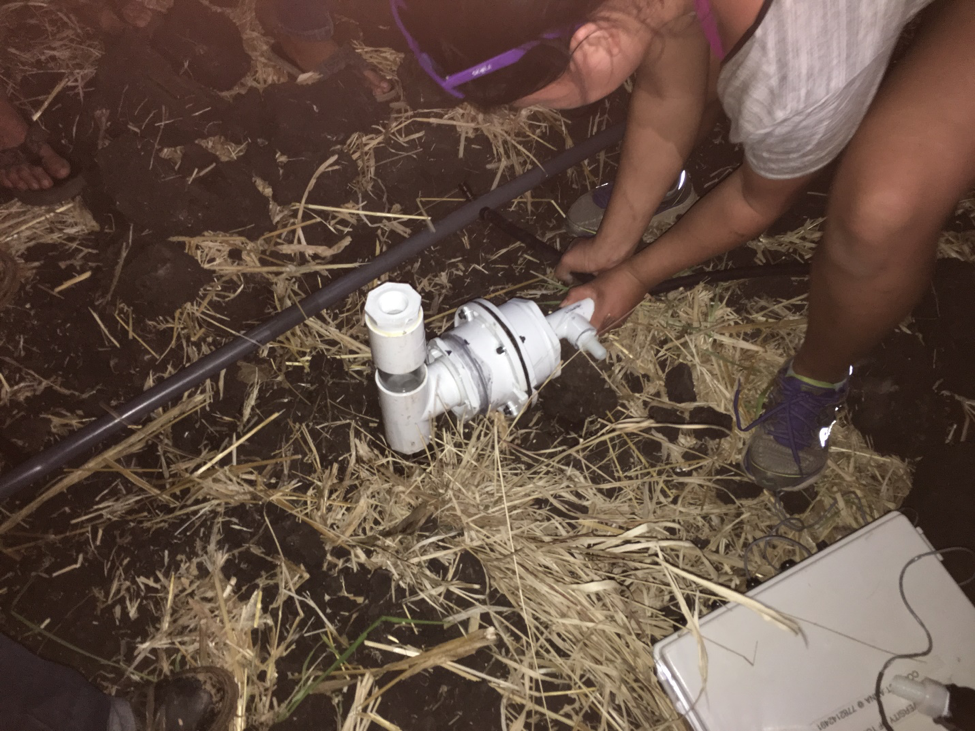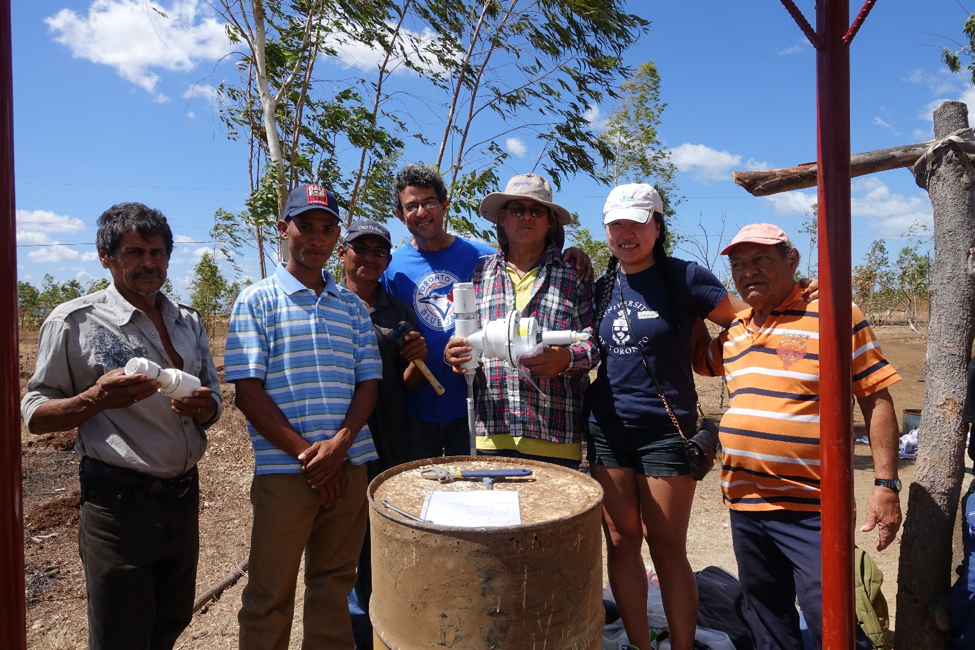
This research aims to design a Passive Irrigation Controller (PIC): a non-electronic valve that waters according to current soil conditions, powered solely from the pressure generated by the drynness of soil in a farm plot. This technology is crucial in water scarce regions, aiding in irrigation water management on small scale farms in low-income areas; however, its use capability extends globally, serving as a low-cost and approachable method to automate irrigation.
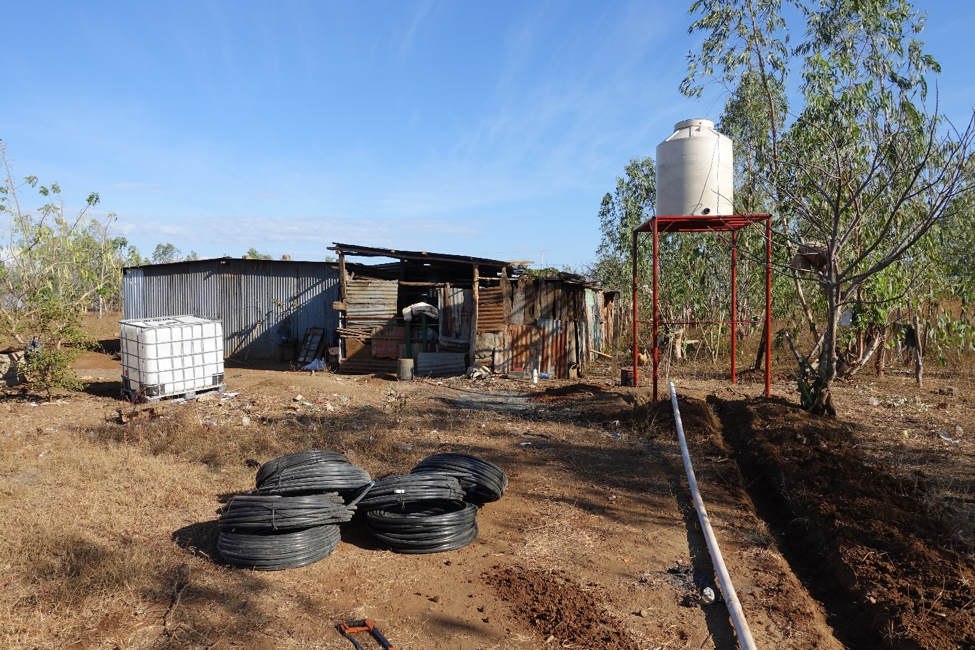
The Food and Agriculture Organization of the United Nations calculates that agricultural irrigation consumes 70 percent of our global fresh water supply, and they further express that 60 percent of that water is then wasted before it is used by crops. An important cause of water waste is the inappropriate scheduling of the irrigation periods leading to over-watering. In developed countries, irrigation scheduling is handled using electronic controllers with timers or environmental sensors to detect when the crops need to be watered. However, in low-income communities, such as Pedro Arauz in Nicaragua, there is not a consistent electricity source to power the controllers, nor the technical expertise or materials to maintain the controllers. Being an iterative process, the PIC’s story began to better serve this community in Nicaragua, and has now been revamped as a on-going research project at WERL.